Binaural sounds

In recent sonic research I have been experimenting with the Hooke Verse binaural microphones.


Coupled with a portable recorder, I have been capturing some 360 sonic panoramas of the south coast coastline, weather & bush environments.

Due to wind & background noise, some of the recordings have needed a bit of RX7 Spectral De-Noise and post production in general. As a result I have recorded a Youtube video which serves as a good intro to Izotope’s RX7 De-Noiser.

Lastly, a few of my favourite immersive 360 recordings from the session can be found at my freesounds.org page. Be sure to check the file titled trying to record 360 sound in the bush with the kids. Whilst unusable for what I intended the audio for, it does demonstrate the Azimuth abilities of the microphone set up, by that I mean the variable that can position sound spatially behind the listener.

From a binaural sound recording angle, Gordan Hempton, has been a bit of an inspiration of late. You can hear some of his super high resolution Neumann KU-100 Dummy Head binaural recordings through Quiet Planet, and their Soundcloud.

On a more beats tip, I’ve been revisiting Yosi Horikawa and his use of 360 field recordings within electronic music. The below 2018 Red Bull documentary shows him busy in field-recording mode with what looks like a strange DIY four capsule mic build.

Safe travels and happy adventures in sound to you all.

M. McCosker Fith Studio Session

A graduate of SAE has set up a studio down the road from my newish residency in Thirroul, namely, Fith Studios.

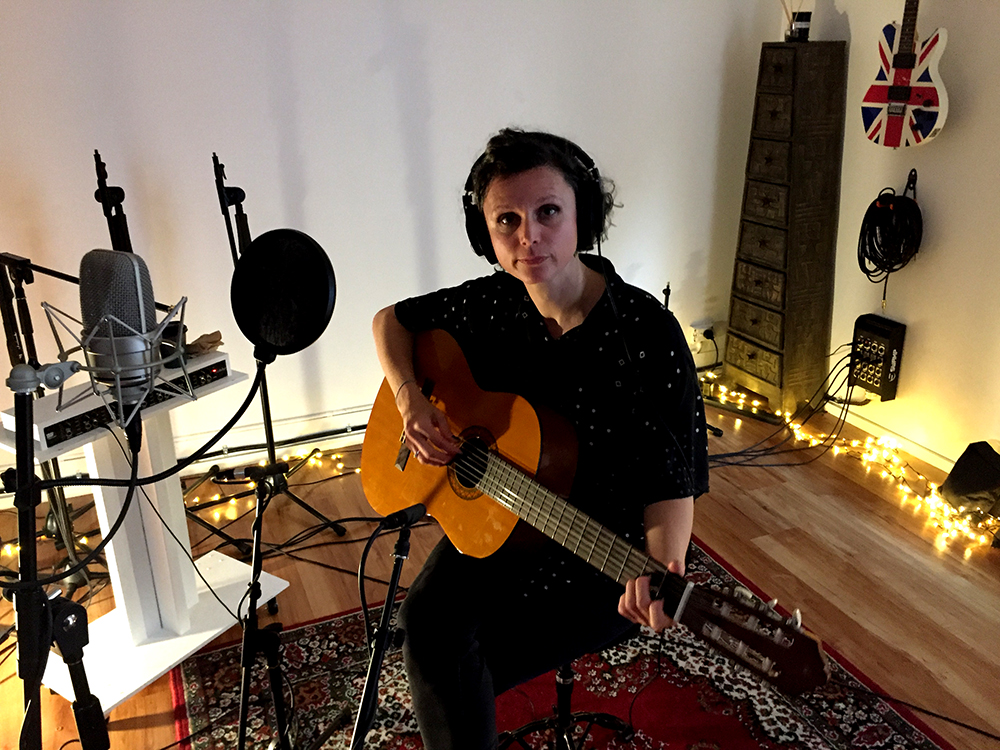
I’d been looking forward to taking a session down there, and some vocals and guitars for Michelle McCosker’s debut album seemed the perfect combination.

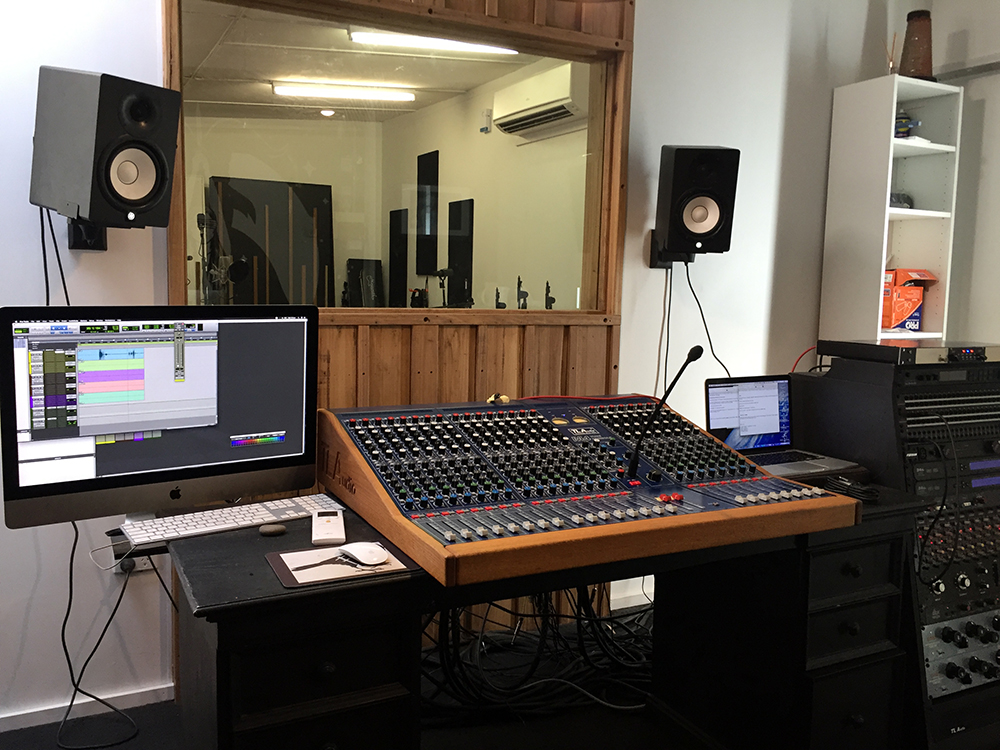
Fith Studio is a small, one live room, one control room set up, featuring a TLA Audio console, a small selection of outboard, and owned and run by some lovely crew.

How did it sound? The room was small enough, and live enough that when the vocalist hit their louder notes, the room sound became quite present in the recording when using condenser mics. Fortunately, the room reflections suited the tracks, sounded pleasant, and therefore the recording became a recording in the old fashion sense of the term; a record of a particular performance in a particular room / acoustic environment.

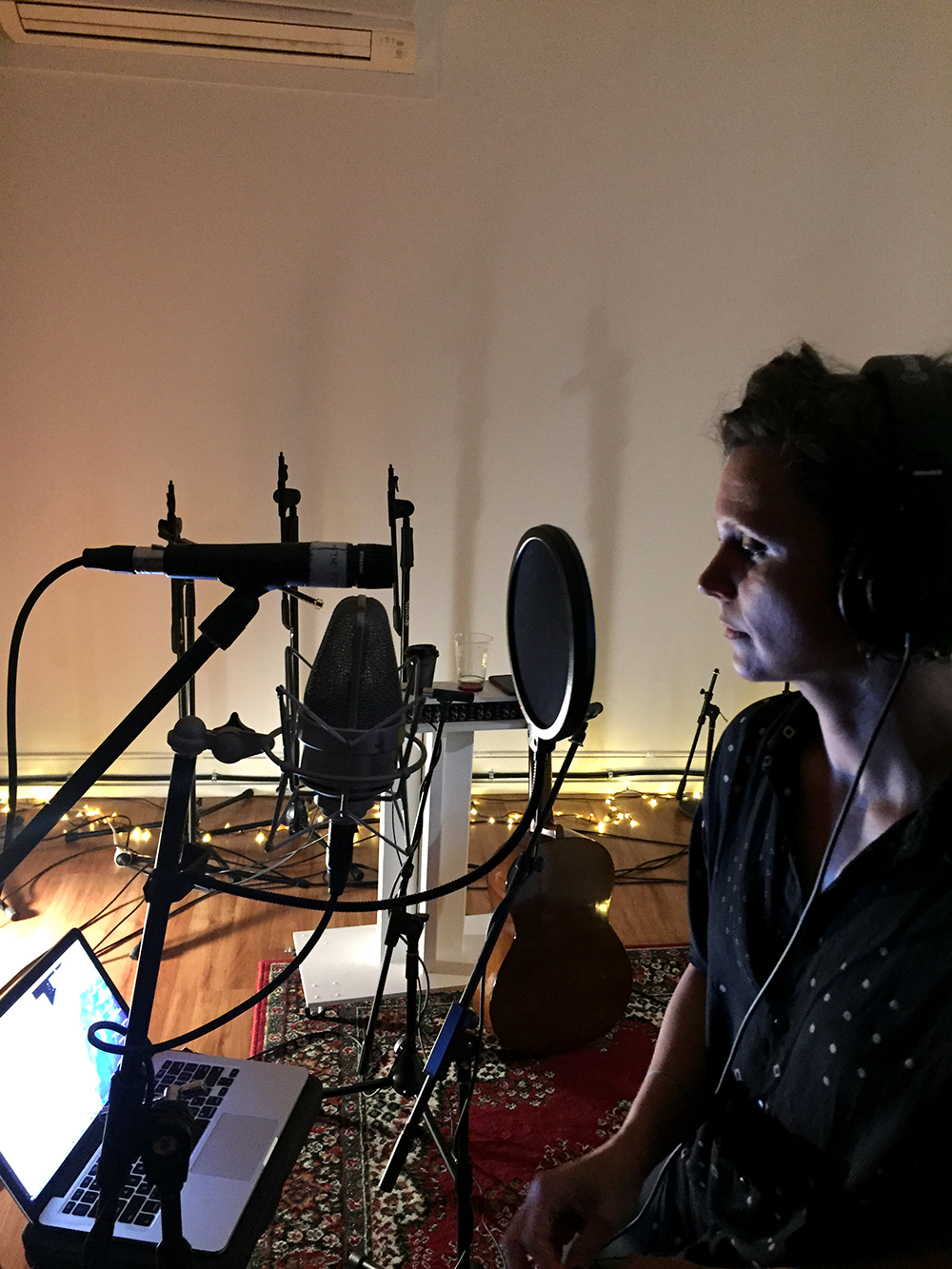
The stand out signal chains from the session included Fith’s in-house Neumann TLM 49 combined with their Neve 1073. The TLM 49 shares the same capsule as the famous U47 & M49, and approaches the warm sonic signature of the tube-based U47, but from a transformer solid-state technology. This into the legendary 1073, was a lovely coupling for a classy vintage vocal tone.

Also sounding great was a combination of gear that I brought down to the session, that being a pair of Sennheiser 8040s, coupled with a pair of Telefunken V672 preamps. The warm, classy definition of the 8040s combined with the vintage quality and character of the V672s was a great stereo A/ B micing combo on acoustic guitars.

Reflections; the studio is cool, but suits louder music generally. Those TLA preamps in the console need a bit of volume to get them going as they have a max of 60 dB of gain. Further, the slight sound bleed from outside noises and weather means that again, loud sources are the safest best for recording in this space.

Nevertheless, stoked to have such a studio within walking distance from home, and stoked to be recording the great vocals and songs of M. McCosker.

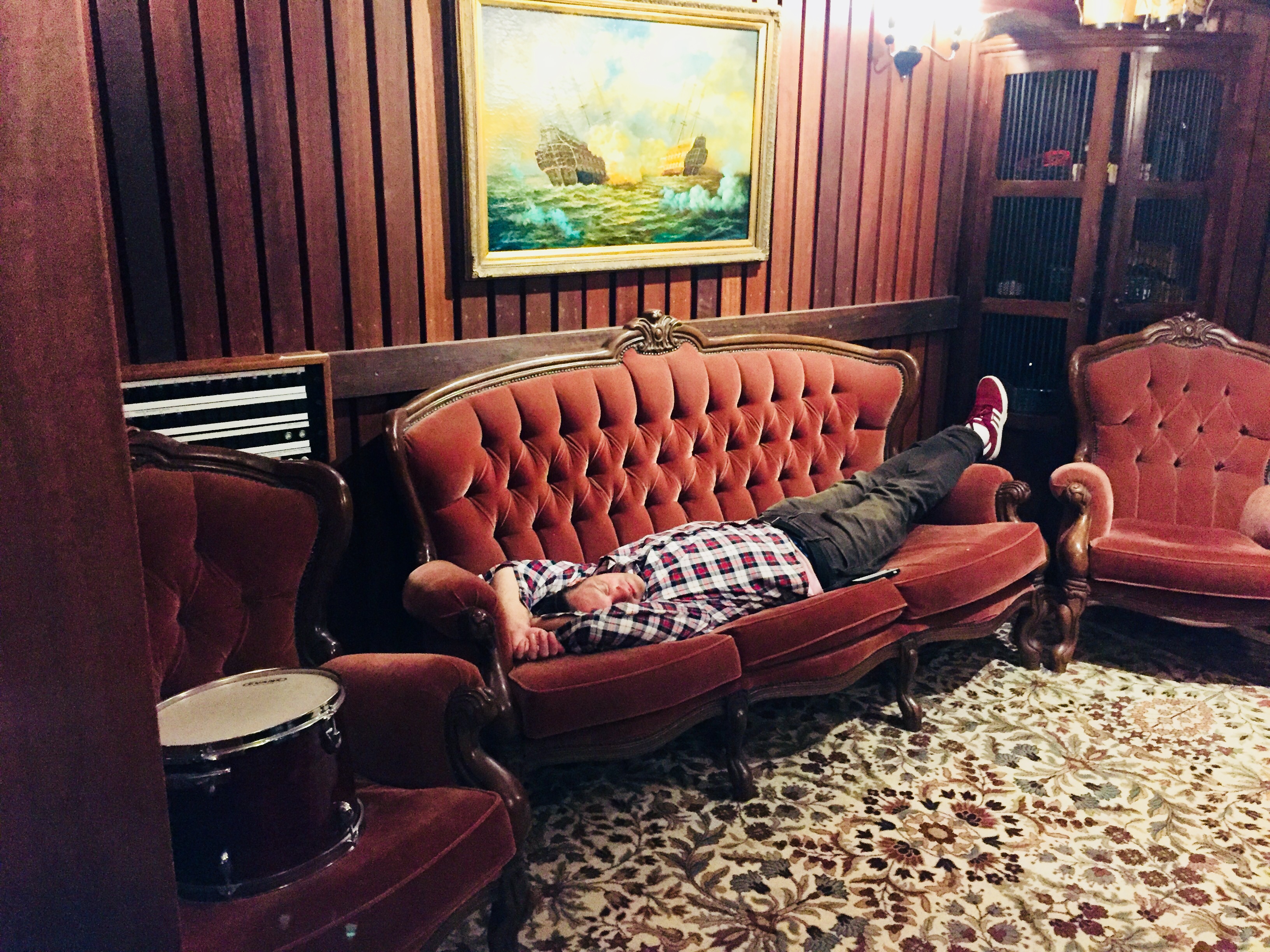
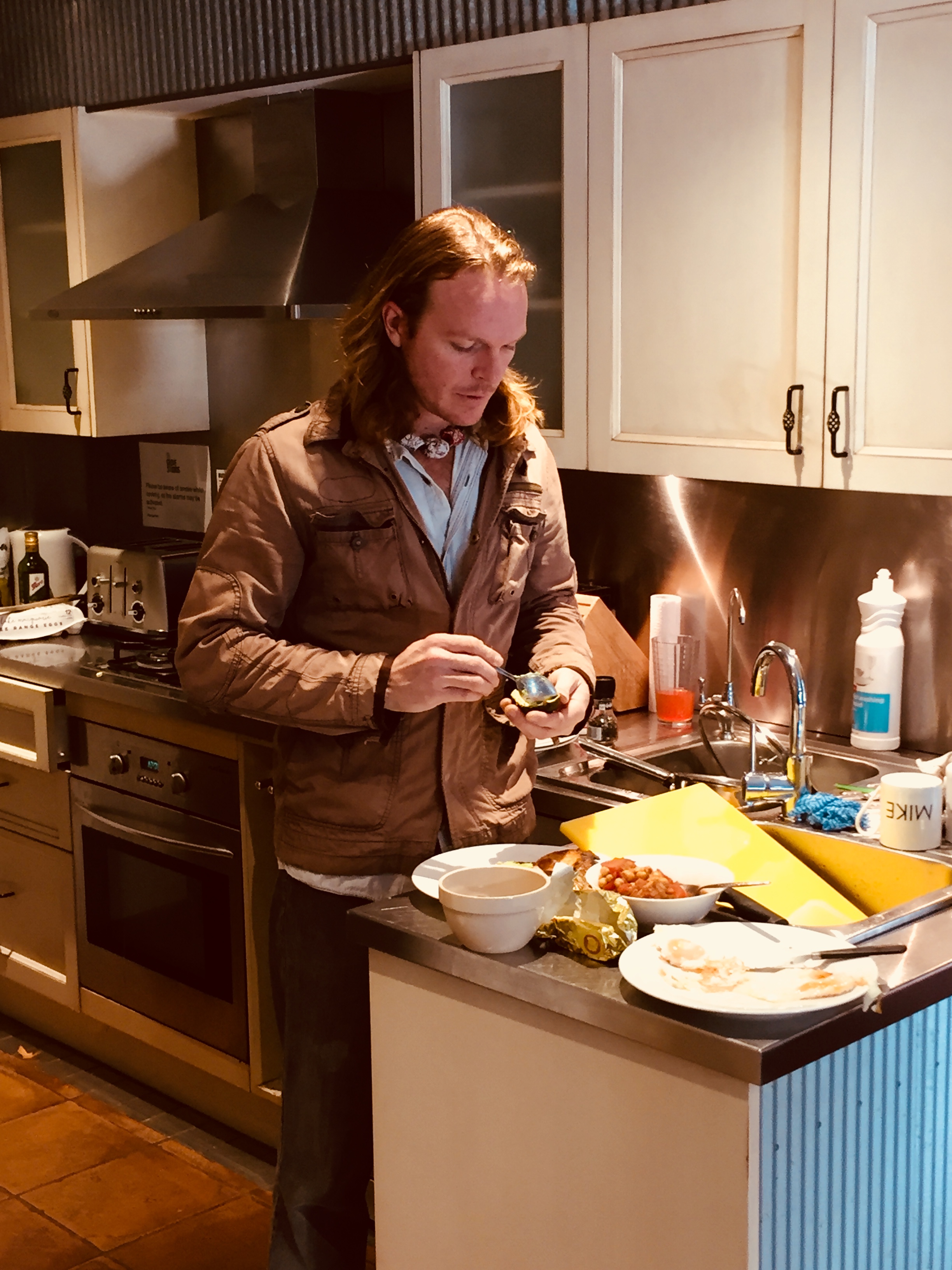
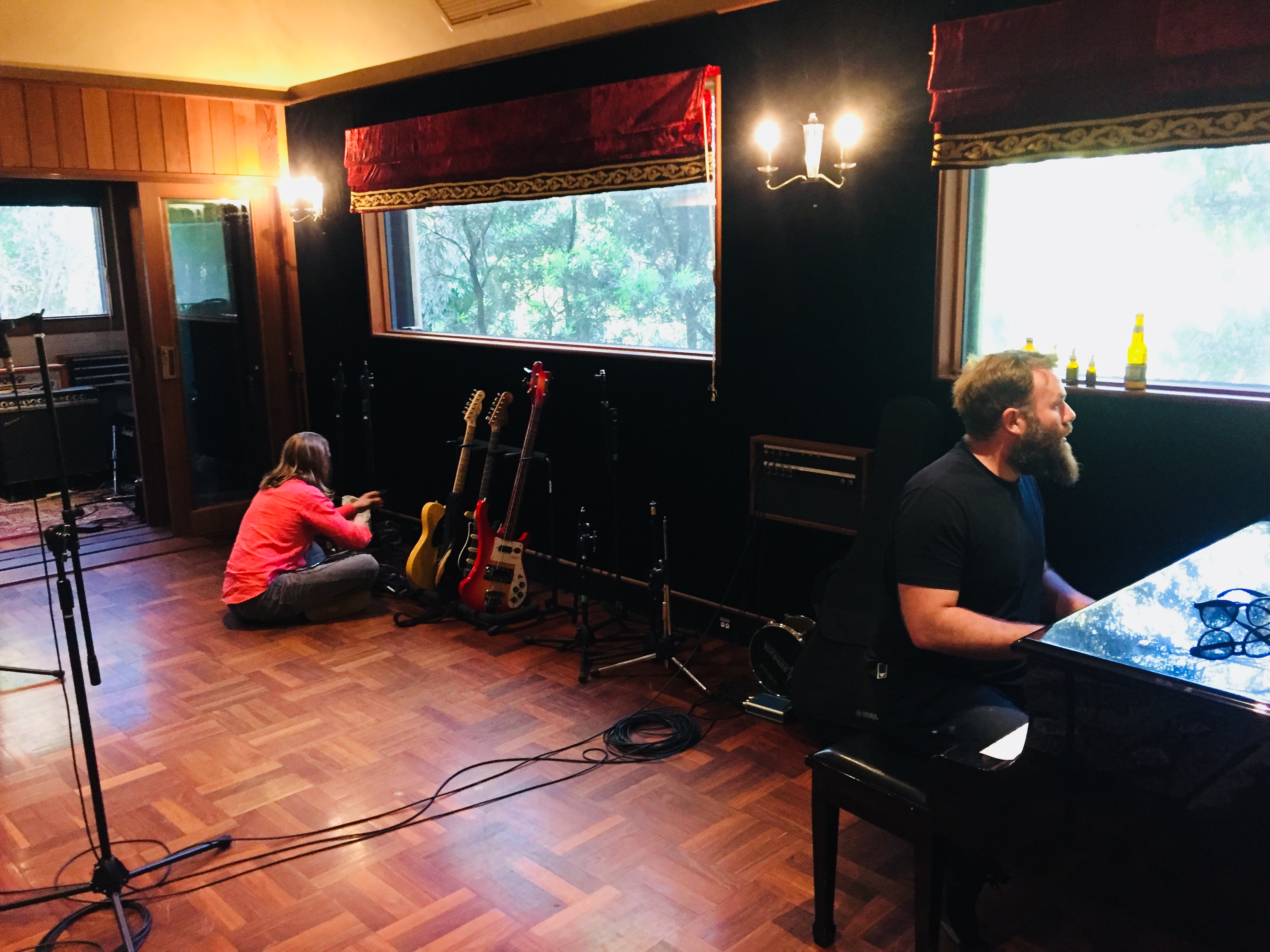
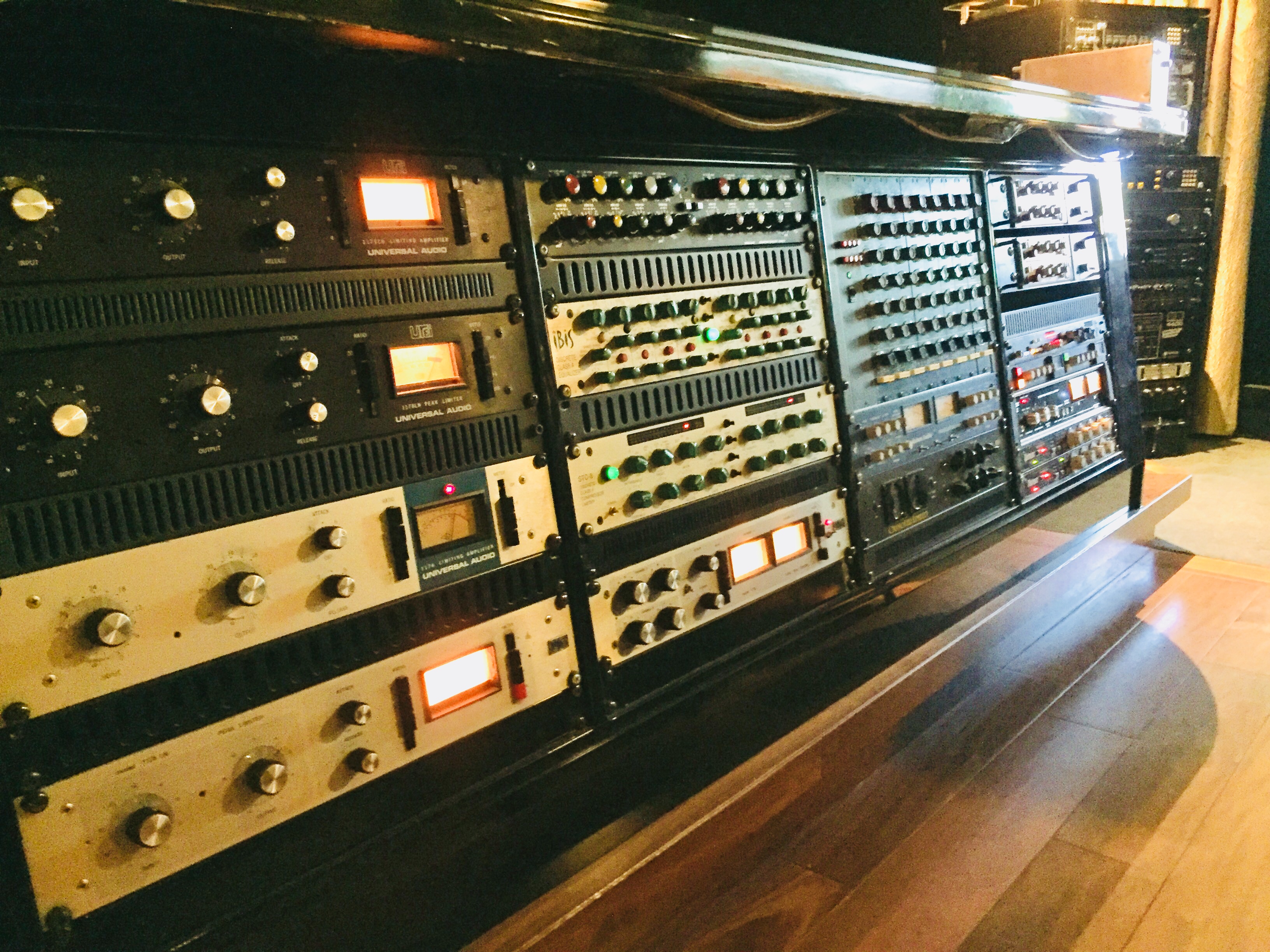
Below are a few shots from the session.


Freesounds.org and some new field-recordings

If you haven’t used freesounds.org  before, let me have the pleasure of introducing you.

Freesounds.org it is a massive online library of recordings categorised by subject matter. A lot of the generous field-recorders & audio engineers upload there content under the CC0 license, in other words you are free to use their recordings in any commercial, or other manner you chose, without payment, and without attribution.

I have used many of these recordings in my productions, and have finally started to give back to this community.

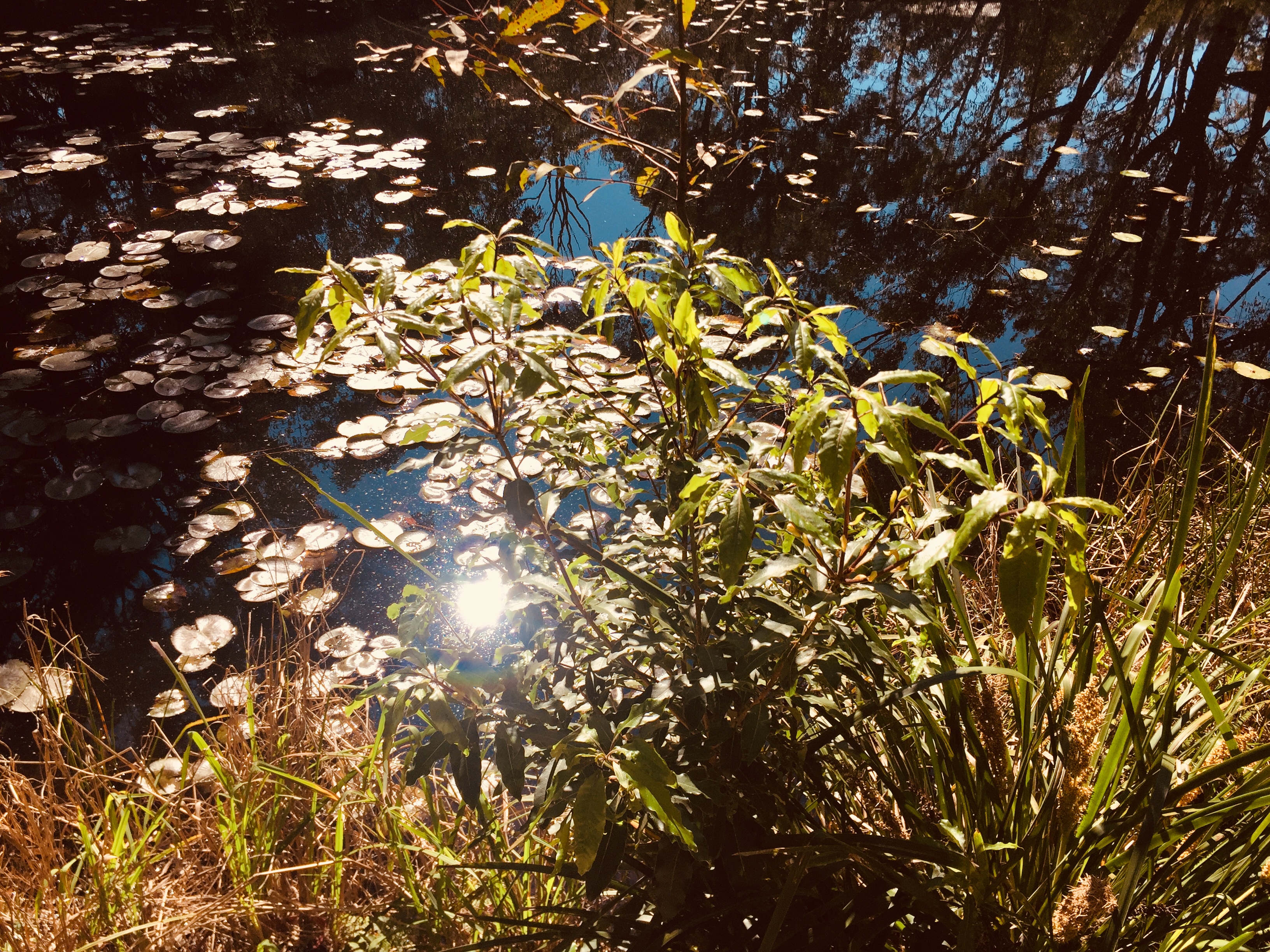
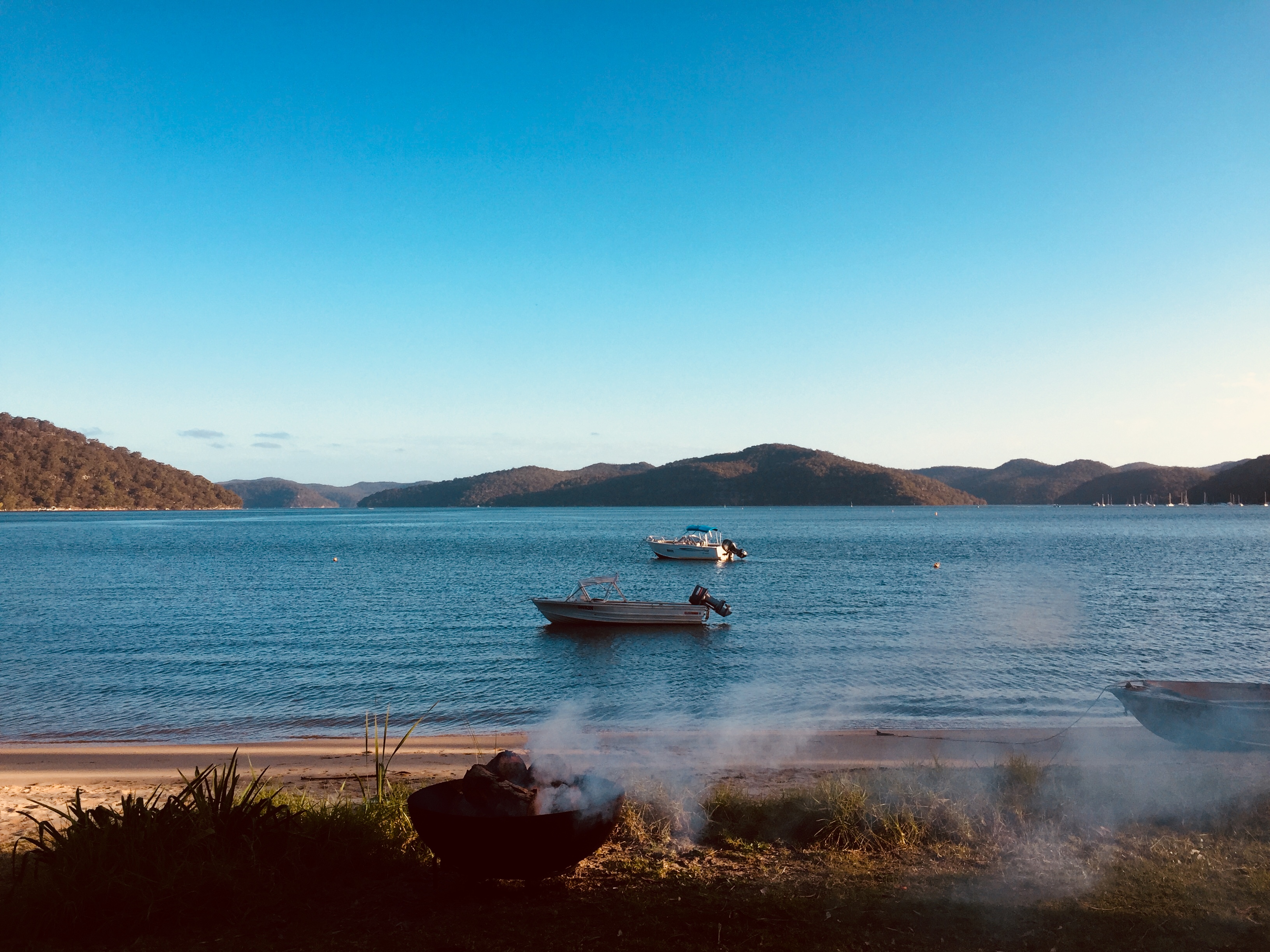
My first four uploaded field-recordings come from a recent work trip up to the Hawkesbury River. They consist of frog and insect night time atmosphere’s from the ponds around The Grove Studios, and further, the lapping ocean and bird songs from Dangar Island, pictures below.


All the field-recordings were created with a Tascam DR-44WL and the onboard XY mics @ 24bit 48kHz. The recordings were then cleaned up with RX Spectral De-Noiser, and normalised.

You can find my these sounds here, enjoy!


The Grove Studios

Recently, I visited The Grove Studios, Studio 1, to record drums for a client’s record. We stayed at the studio over two days, loved the studio, pulled some great sounds and had a great time. A big thank you to Scott, Izaac and Owen for having us.

The input list for the session is at the end of this post. Stand out signal paths from the session include; the Crunch / Crotch mic, our Gabriel Roth / Daptone, one mic technique, and the Kick Out signal.

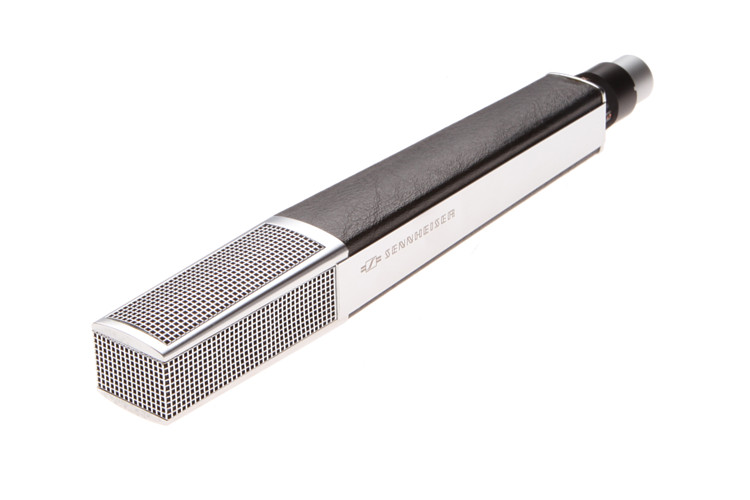
For a crunch mic, I usually will use a Sennheiser MD441-U (left), but went with a MD421 (right) as despite The Grove’s great mic locker, they were without a 441.

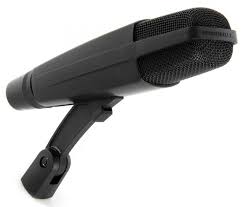
   

The mic worked well, but the real gold within this signal chain was a Neve 1064 (Pre-amp and EQ), and DBX 162 Stereo Compressor.
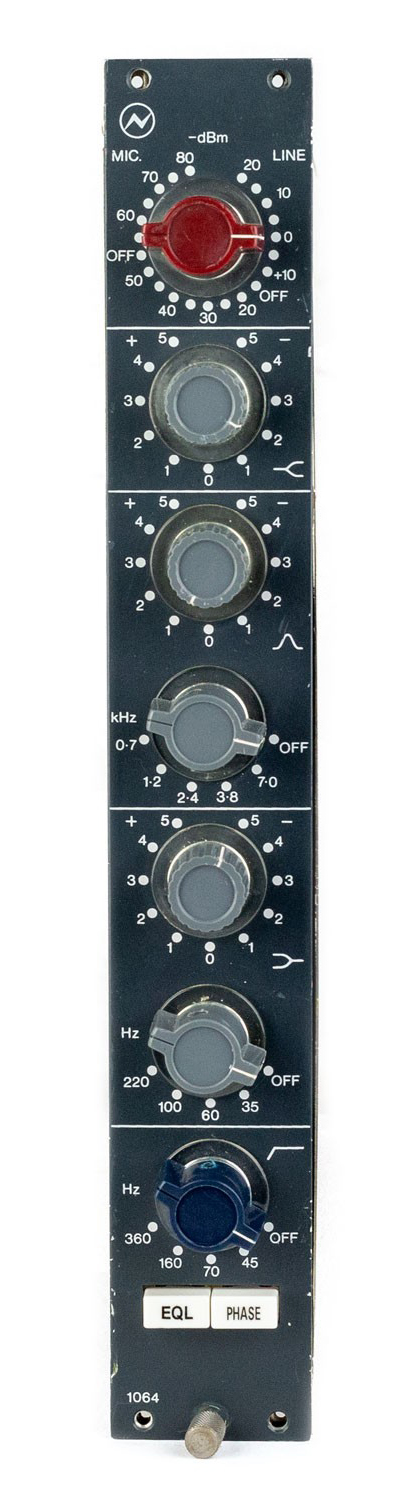
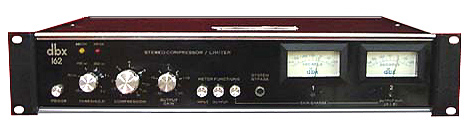
 

The Neve 1064 has that lovely colouration that has been commented on by many, and the DBX 162 can be driven into harmonic colouration as well. All up, it was a tight, warm and coloured signal that proved very punchy within the overall drum sound.

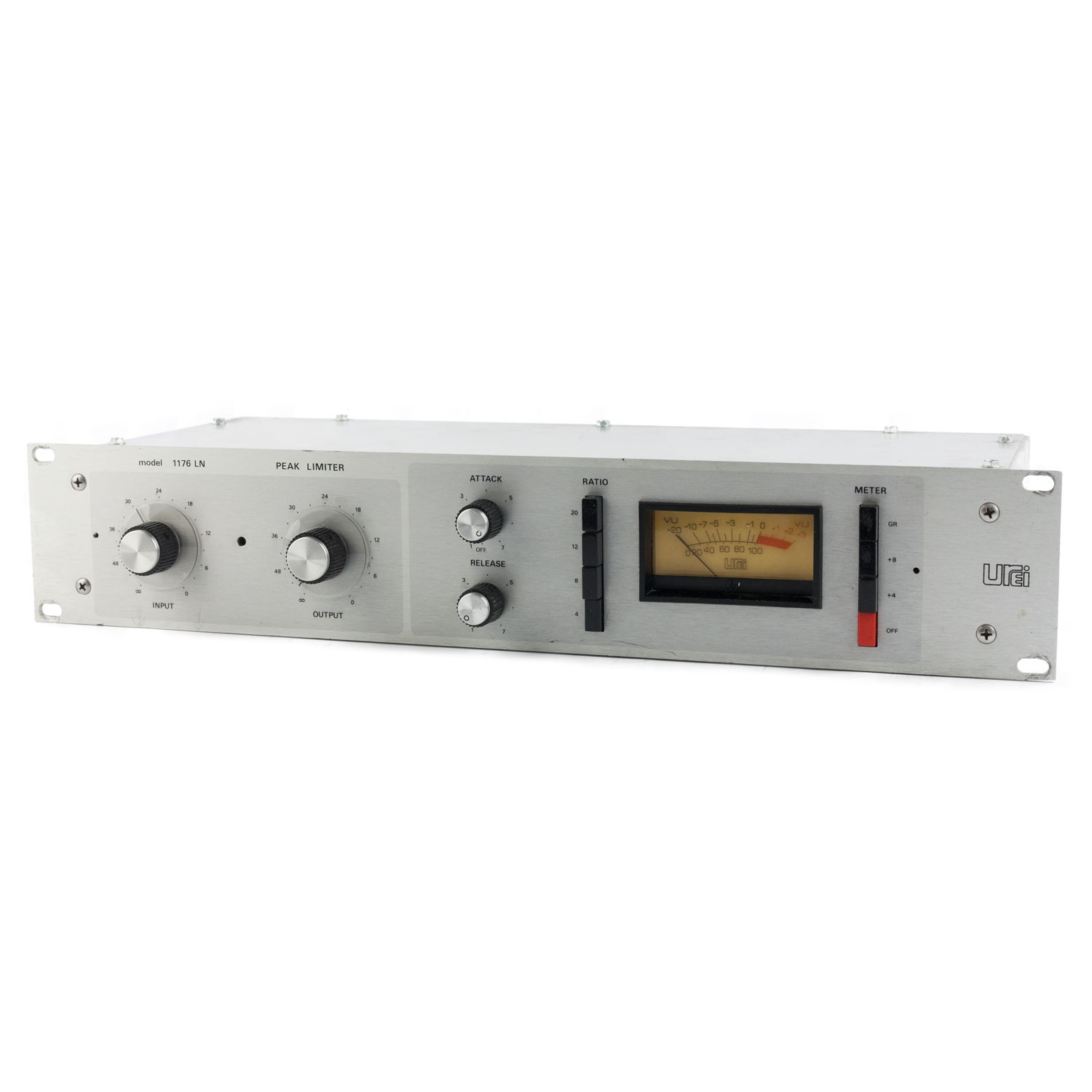
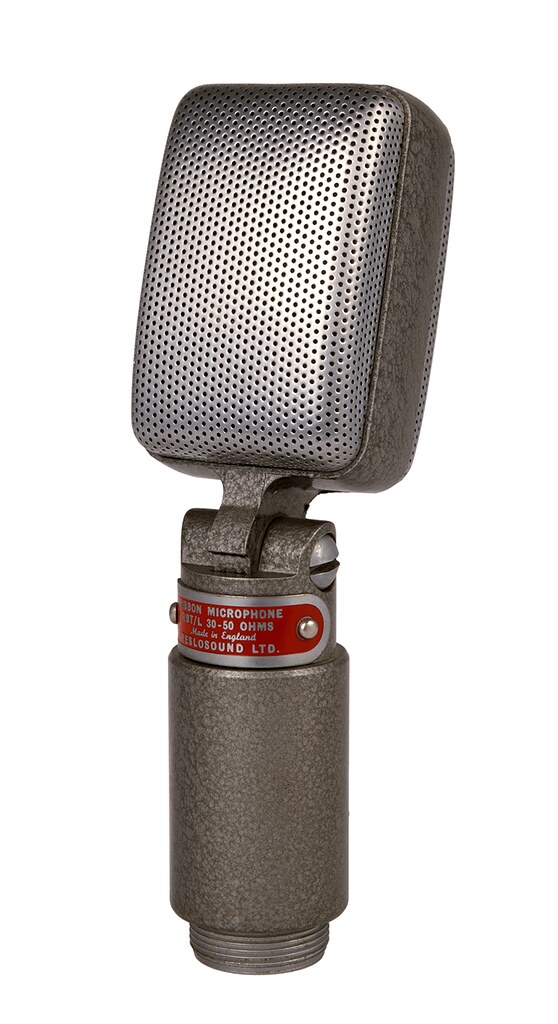
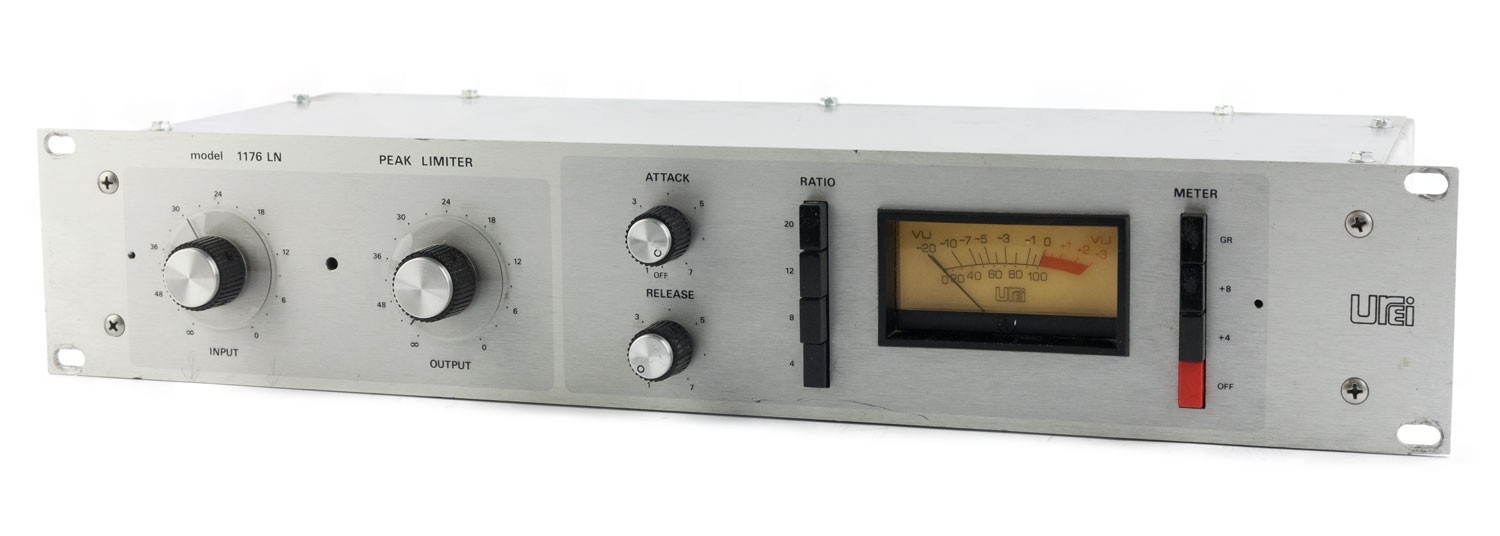
On a similar one mic technique, we used Gabriel Roth’s one mic trick, that being a mic placed side of kick, almost under the snare. The mic chosen was a vintage Reslo ribbon, notorious for a mellow lo-fi high-end frequency content, or lack thereof. The Reslo was patched into the SSL 4000 G console to balance the mellow top end of the ribbon with the brighter SSL preamp and EQ options. Further, an 1176 Silver Face was inserted to smash the signal, apply colouration, and to compress the signal and bring forth all the drum sounds into a tight image. Again, within the drum mix, this particular mic gave us access to a punchy, lo-fi, coloured overall drum sound.
 

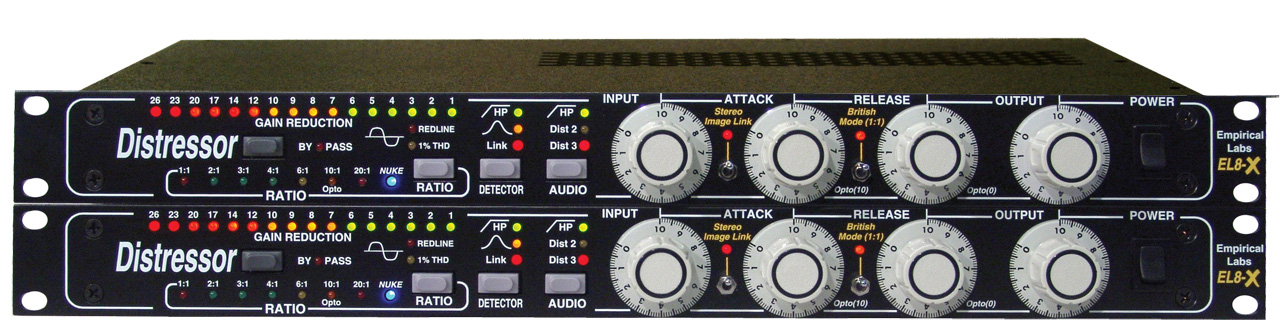
The kick-out signal was comprised of a Rodes Classic in Omni (for a larger bottom end), a blanket to help the kick have separation from the rest of the drum kit, and the Neve 1064 preamp for a coloured and thick low mid. The signal was then routed to Empirical Labs Distressor; a slow attack, quick release applied. The high pass button was engaged in the signal detector to allow the bottom end under 80Hz to not trigger the compression and result in a larger uncompressed low end.
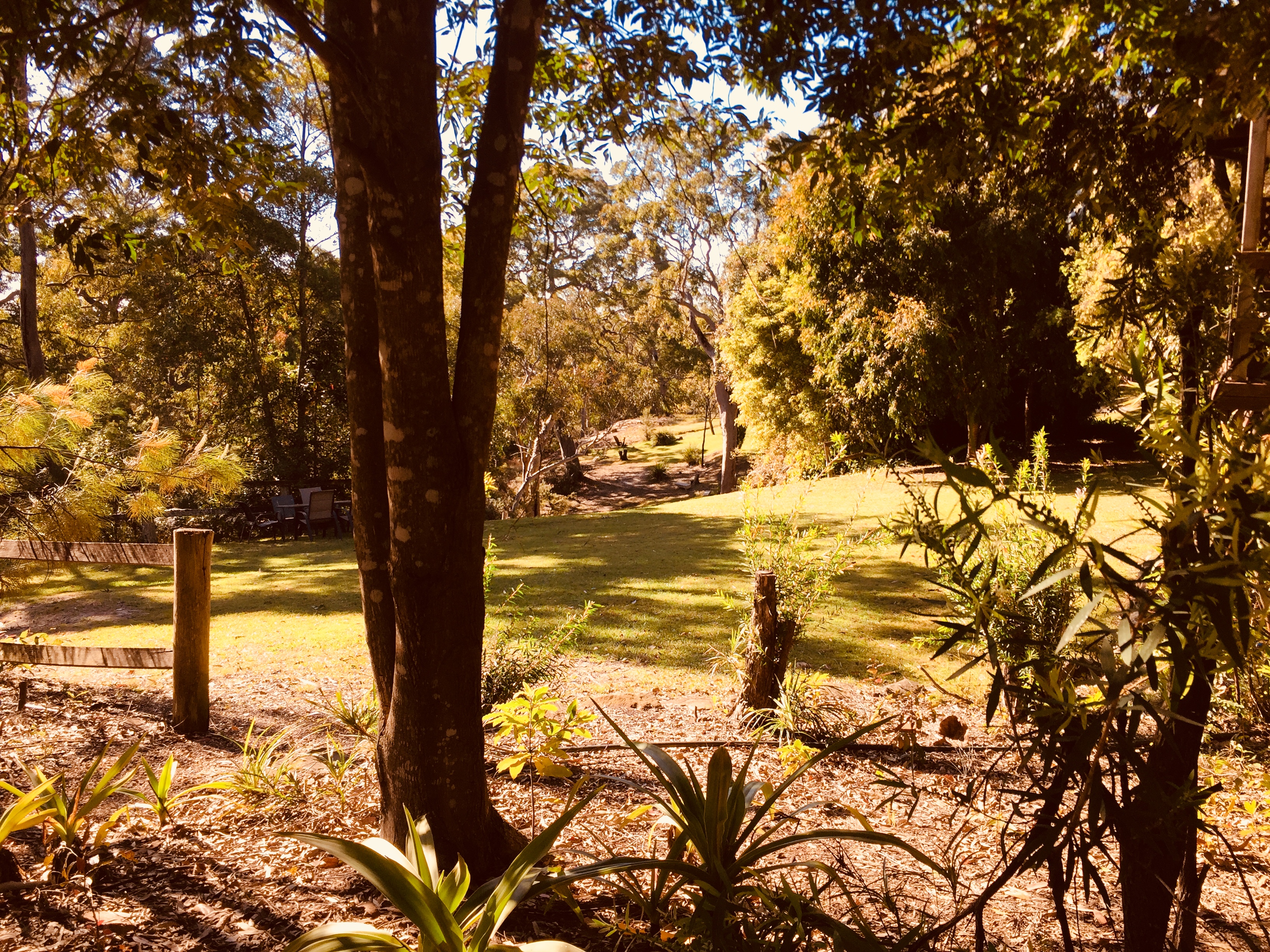
In conclusion, what a live room and control room. Very highly recommended for any studio needs. Lovely grounds, functional kitchen, and accommodation to boot. Below are some pictures from the session and the input list.


INPUT LIST:

1. Bass DI (J48 Radial Active DI) – Quad 8 – LA 2

2. Kick in – D6 – SSL – (1176 Black Face insert)

3. Kick out –  Rodes Classic – Neve 1064 – Distressor

4. Sub Kick – SSL – (1176 Black Face insert)

5. Snare up – Beyer Dynamic M201 – Telefunken V76 – Distressor

6. Snare down SM57 – SSL

7. Hi Hat – Octava MK012 – SSL

8. Rack Tom – Sennheiser MD-421 – SSL

9. Rack Tom – Sennheiser MD-421 – SSL

10. Floor Tom – Sennheiser MD-421 – SSL

11. OH L – Coles 4038 – SSL (C2 Smart L)

12. OH R – Coles 4038 – SSL (C2 Smart R)

13. Crunch / Crotch Mic – ? – Neve 1064 – dbx 162 L

14. Daptone (side of Kick position) – Reslo Ribbon – SSL (1176 Silver Face insert)

15. Room close – RCA DX 77 SSL – (1176 Blue Face insert)

16. Room Far – AKG C34 Stereo Condenser – Chandler TG-1 L

17. Room Far – AKG C34 Stereo Condenser – Chandler TG-1 R

18. Vocal Guide – SM7B – SSL

19. Guitar Tele DI – Neve 1064 –

20. Guitar Tele Amp – SM57 – Neve 1064 –

21. Hammond – Leslie Speaker – L  – AKG C414 – (Urei 1178 L)

22. Hammond – Leslie Speaker – R – AKG C414 (Urei 1178 R)

Saad album finished + glowing Amnplify review

I recently finished mixing a contemporary Pop project for Sydney singer-songwriter, SaaD, aka Dylan Regtop.

The influences and brief for the overall album sound contained references such as Bon Iver, S.Carey and the like.

Challenges with the record included the artist’s desire to have drums and bass that could hardly be heard, yet still desiring a balanced mix, ie not too top heavy. As a result, I used a lot of very processed lo fi drums, and bass content, often stemming out to a cassette player and back into the DAW to achieve murkier sounds that whilst having more harmonics, had less attack and audibility within the mix.

The album was a pleasure to work on, and the brief precise. However, the vocals were by no means an easy mix. The takes were great, but the vocalist is quite sibilant, which when combined with the harsh top end of their mic, Rhodes NT2A, was hard to control in the mix. Sibilance had to therefore be dealt with in multiple stages, those including tape to mellow the high frequencies, standard de-essers, Pro Q3 dynamic EQ and F6’s dynamic EQ.

Another production journey that further related to the vocal, was the presence of mouth clicks, through out each track. The Rhodes’ brittle top end once again had any mouth noise unpleasantly emphasised, but through treatment by Izotope’s RX, we were able to de-click the vocals with a great outcome. Note a forth coming YouTube tutorial will be coming on RX and de-click vocals.

Finally, post the production journey, some positive reviews are starting to come in.

Amnplify comment;

“musically, the album is a pastiche of atmospheric genre pieces given depth by Regtop’s extraordinary ability to create sparse, but haunting soundscapes.”

Further, it seems we achieved the production brief, Amnplify comment,

“it’s tempting to draw comparisons to something like Bon Iver or Sigur Ros, though even those records are more akin to conventional structure than the individual pieces on SaaD. Sonically there are similarities to some sod ven stuff, perhaps even Beta Radio, but even then the sparsity of this album is probably beyond the reach of both of those acts.”

Youtube Channel – Audio Adventures

I’ve decide to start a nerdy Youtube Channel, Audio Adventures.

The content will vary from specific questions from my students, to techniques that I’m enjoying while producing records for both myself and others.

Thus far there is a tutorial on

How to set up sidechain with 3rd party plugins in Ableton

How to use dynamic EQ in Fab Filter’s Pro Q3

How to use Max for Live’s LFO Audio Effect

Anatole – Medlow Bath

In 2018, I was at Music Feeds studio with Anatole / Jonathan Baker recording some grand piano parts for his forthcoming releases. One of those track has just been released and it’s a beauty. Enjoy!

Danga Island comes to town


2019 kicked off in fine form with a 4 day session for long term collaborator and man of mystery from Danga Island.

He and his musical muse, Cam Cooke, were down from their bohemia of Dangar Island, and had drummer Mark Spence in tow from Port Macquarie.

The crew had hired a beautiful mansion in Annandale with view across the city, and next to an allegedly haunted church. The sessions mainly took place at Musicfeeds aka Megaphon Studios with DI’d guitar and bass, whilst the focus was on great drum takes from Mark. By night a bit of extra tracking was also conducted at the mansion.

With all the inevitable large swirling psychedelic guitars and synths to come, we decided on a tight, smaller room drum sound, with a couple well placed room mics that allow us to expand the drums into a more splashy big room sound.

Notable elements in this session were;

The kick sound. We created a tunnel to avoid spill into the kick mics, and used the legendary D12 on the inside, plus a TLM107 on the outside. The TLM107, just keeps surprising. It seems a workhorse for a widest possible range of applications; vocals to kick drum mic ing.

The snare also sounded gorgeous, and for this session we taped both a AKG451 and a SM57 together for a bit of tonal flexibility in the mix.

Lastly of note, was the the movement between Pro Tools in the studio, and cloud-based multi-track recorder Soundtrap for the late night mansion sessions. Further, the acoustics of the large mansion were also of note and I look forward to hearing the takes back from those overdubs.

Introducing the CHORG CHAOSS PAD

As part of my masters, I was challenged to build an audio processing application in MAX.

The result is a bastardised version of Korg’s Chaoss Pad, titled Chorg Chaoss Pad (Mac users only sorry).

Below is a video that will hopefully inspire and demonstrate some of the Apps functionality. Basically, it is an XY control pad controlling parameters of a delay, overdrive, band pass filter and a reverb.

The delay still has some zipper noise, but I quite like the lo fi artifacts. Excuse the Camtasia water mark, as the App is fairly basic I couldn’t route to Soundflower or equivalent and use the usual screen recording apps. Further, this is only my first build in MAX, but hopefully you will create some amazing sounds with it. Please let me know if indeed you do.

Download here

As the App is not Apple Certified you will need to tweak Security conditions in your System Preferences to allow the dmg to be opened / install.

Happy CHORGing

Non-Urban Decay VR collaboration

Recently I had the pleasure to collaborate on a VR installation entitled, Non-Urban Decay, for the New Tricks group exhibition at Tortuga Studios, St Peters.

Grace Kingston, used photogrammetry techniques to create assets in Agisoft Photoscan and created, with assistance from Games Academic (SAE) Geoff Hill, a VR environment in Unity. The environment was then sonically realised by myself, giving a range of audio assets to Unity wizard Geoff Hill, to express the progression from natural environment into a decaying digital environment.

Below are a few images from the exhibition.